
Egypt Warns Ships on Red Sea, Hormuz, Black Sea Risks
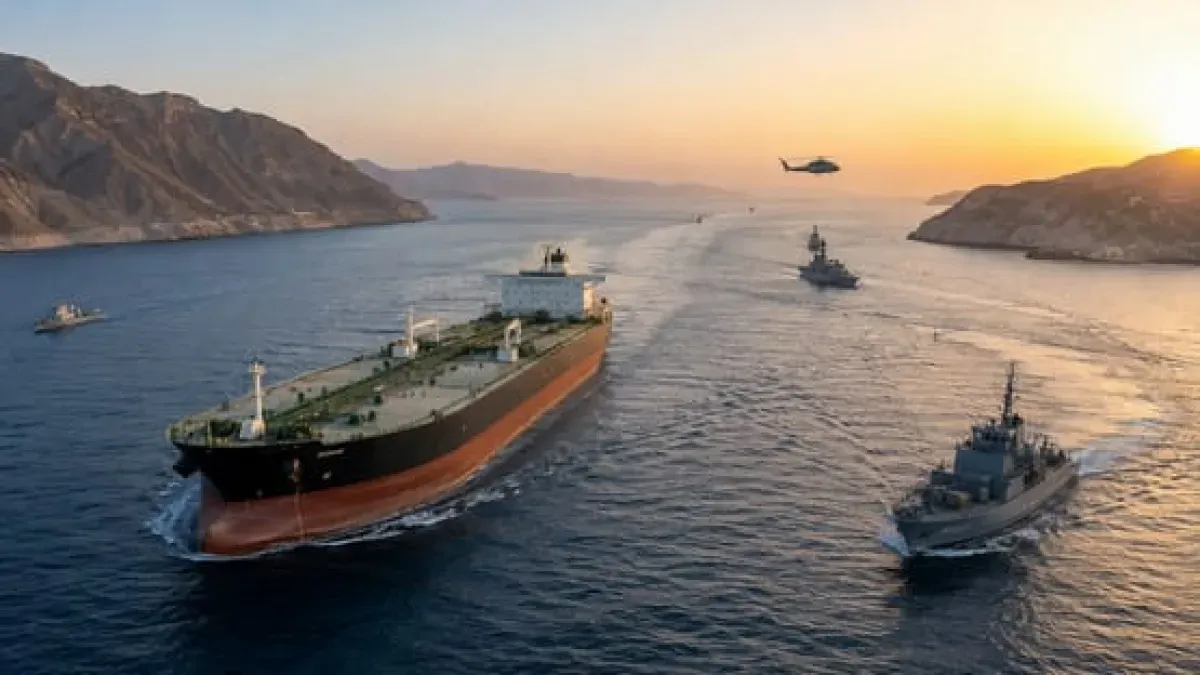
The Egyptian Authority for Maritime Safety has issued an urgent warning to commercial vessels, advising them to implement enhanced security and precautionary measures to protect Egyptian seafarers from the dangers of armed conflicts, piracy, and hijacking. This advisory follows recent incidents involving targeted attacks on ships and the detention of their crew members.
Captain El Sayed El Shazly, head of the Maritime Officers Syndicate and representative of the International Transport Workers' Federation in Egypt, stated that official directives emphasize the critical need to avoid high-risk areas whenever possible and to adhere strictly to international conventions governing ship safety, security, and seafarer rights.
El Shazly explained that the instructions mandate vessels and their crews to comply with the requirements of the International Convention for the Safety of Life at Sea (SOLAS), the International Ship and Port Facility Security (ISPS) Code, and the Maritime Labour Convention (MLC). He cautioned that failure to observe preventive measures before or during voyages could result in legal liabilities, depending on the specifics of each situation.
He further noted that the International Transport Workers' Federation designates three maritime zones as areas of conflict operations, which consequently entitles civilian seafarers to specific rights and compensation. The first zone encompasses the Arabian Gulf, the Strait of Hormuz, and the Gulf of Oman. In this region, seafarers are entitled to a bonus equivalent to 100% of their wages, the right to refuse sailing, repatriation to their home country at the ship owner's expense, and two months' salary.
The second zone includes the southern Red Sea, the Bab el-Mandeb Strait, and the Yemeni coast. This zone entails doubled compensation in cases of death or disability, a full wage bonus, and the implementation of Security Level Three, the highest security standard under the ISPS Code. This level requires stringent controls on entry and exit, the prevention of unauthorized boarding, thorough ship and cargo inspections, suspension of loading and unloading operations, refueling, and provisioning, along with immediate readiness to depart the dangerous zone.
The third zone comprises the northern Black Sea, Ukrainian ports, and the Sea of Azov. According to El Shazly, these areas are classified as zones of war operations and high risk, with seafarers in these regions eligible for rights and compensation comparable to those stipulated for the Middle Eastern zones.
These warnings come in the wake of the hijacking of the commercial oil tanker MT Eureka off the coast of Shabwah Governorate in eastern Yemen. Armed individuals boarded the vessel and forcibly steered it towards Somali territorial waters and coastlines, with reports indicating the detention of its crew and demands for ransom for their release. The tanker carried eight Egyptian seafarers from the governorates of Dakahlia, Sharqia, Gharbia, and Damietta.
The Egyptian Ministry of Foreign Affairs and relevant authorities intervened to monitor the situation through diplomatic and security channels with regional and international parties. Efforts, according to available information, culminated in the successful liberation and release of the eight Egyptian seafarers after months of detention.