
Sana'a Under Houthi Grip: Fear, Repression, and Growing Resistance
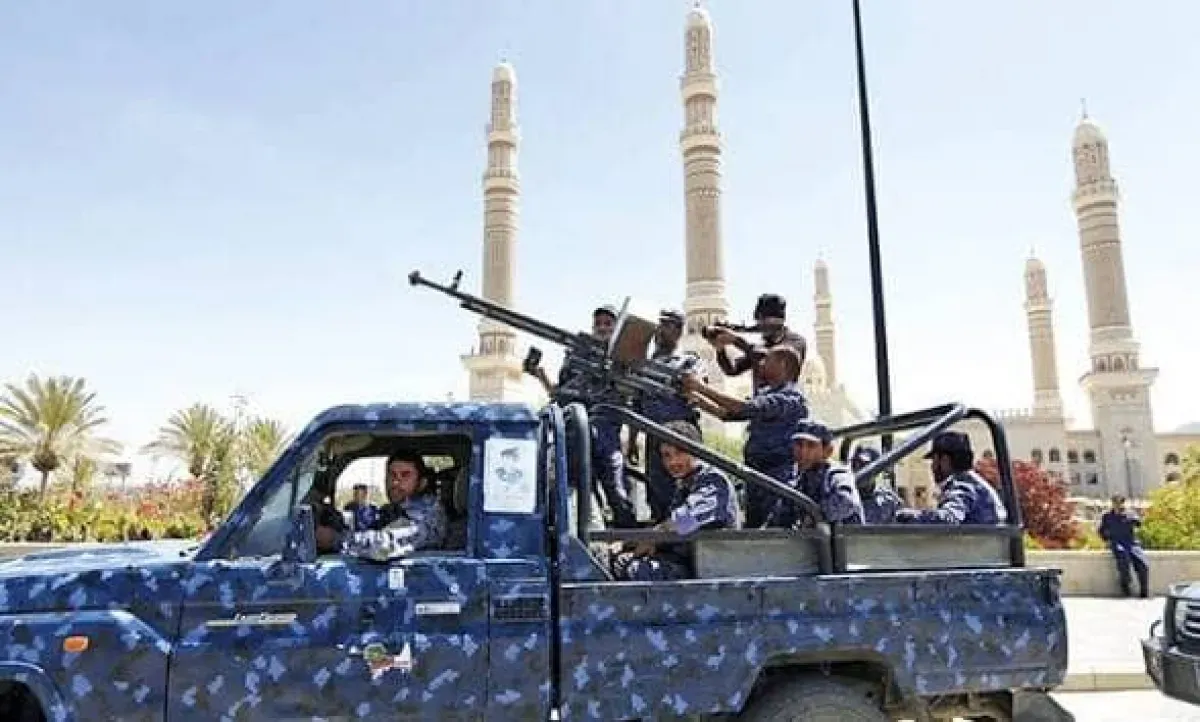
The Yemeni capital of Sana'a, ostensibly subdued under Houthi control, is experiencing unprecedented popular discontent and suppressed resistance, leading the militia to impose extreme security measures and a widespread crackdown aimed at quashing national identity and dissent.
The recent weeks, from early September to October 24, 2026, reveal a stark contrast to Sana'a's outward appearance. The Houthi militia views the anniversary of the September 26th revolution as a significant threat to their internal cohesion. Despite attempts to impose their own sectarian celebrations, they faced widespread public defiance, evidenced by citizens displaying national flags and changing social media profiles. The militia interpreted these spontaneous acts as open rebellion, responding with a severe crackdown that included vandalizing vehicles displaying the national flag in Sana'a, Dhamar, and Al-Bayda.
Houthi interrogators have reportedly subjected detainees to psychological pressure, denying the existence of the September 26th revolution and threatening its complete eradication. This campaign to erase national identity extends to the capital's surroundings, with the Houthi leadership establishing a security perimeter around Sana'a. The militia has intensified security checkpoints, particularly on routes leading into the city, conducting thorough inspections of identification and mobile phones. Furthermore, they have coerced tribal elders and community leaders into signing pledges to report any unsanctioned gatherings or tribal movements, threatening severe consequences for non-compliance.
Internally, Sana'a's neighborhoods are under constant surveillance. The Houthi militia has mobilized local informants and a clandestine female intelligence unit to gather information from within homes and social gatherings, monitoring families expressing discontent over living conditions or unpaid salaries. They have also mandated the installation of surveillance cameras in commercial establishments and residential buildings, linked to Houthi security operations, as a condition for renewing business licenses. This pervasive surveillance aims to detect any signs of opposition or graffiti.
According to reports from human rights organizations, the latter half of September and October saw over 278 confirmed abductions across nine governorates, with Sana'a and its environs being the most affected. More than 1033 Houthi violations were documented, including home raids, assaults on tribal communities, and extrajudicial killings. The militia has also engaged in tribal kidnappings, targeting farmers and tribal leaders for participating in the September 26th commemorations. Some detainees were only released after being forced to sign pledges to refrain from observing national holidays and to adhere to the group's sectarian activities.
This internal repression coincides with escalating military confrontations. Fierce clashes have reignited in Taiz and the West Coast following Houthi attacks, met by a significant counteroffensive from government forces and allied brigades in Al-Jawf, Al-Bayda, and the outskirts of Marib. The militia is reportedly resorting to covert forced conscription and intensified Friday sermons to bolster their ranks amid battlefield losses, while also depleting local markets through bulk purchases of motorcycles for military use.
International humanitarian organizations have also been targeted. Over 53 UN, international agency, and civil society staff remain detained in Sana'a. Houthi militants have raided offices of the World Food Programme (WFP), UNICEF, and the World Health Organization (WHO), confiscating servers and computers under false pretenses of espionage. This systematic obstruction has led to the suspension of vital aid, exacerbating the humanitarian crisis and creating a perilous environment for civilians and international staff.
The current situation in Sana'a suggests that the Houthi's oppressive policies are no longer generating fear but have fostered a silent, unified public rejection of the sectarian militia. The city, under constant surveillance and subjected to night raids, resembles a powder keg awaiting a spark. The militia's palpable panic reflects their awareness of their eroding legitimacy, with iron-fisted security being their last resort to maintain control over a capital whose residents yearn for liberation.