
HRW: Houthi Attack on Key Taiz Supply Route May Be War Crime
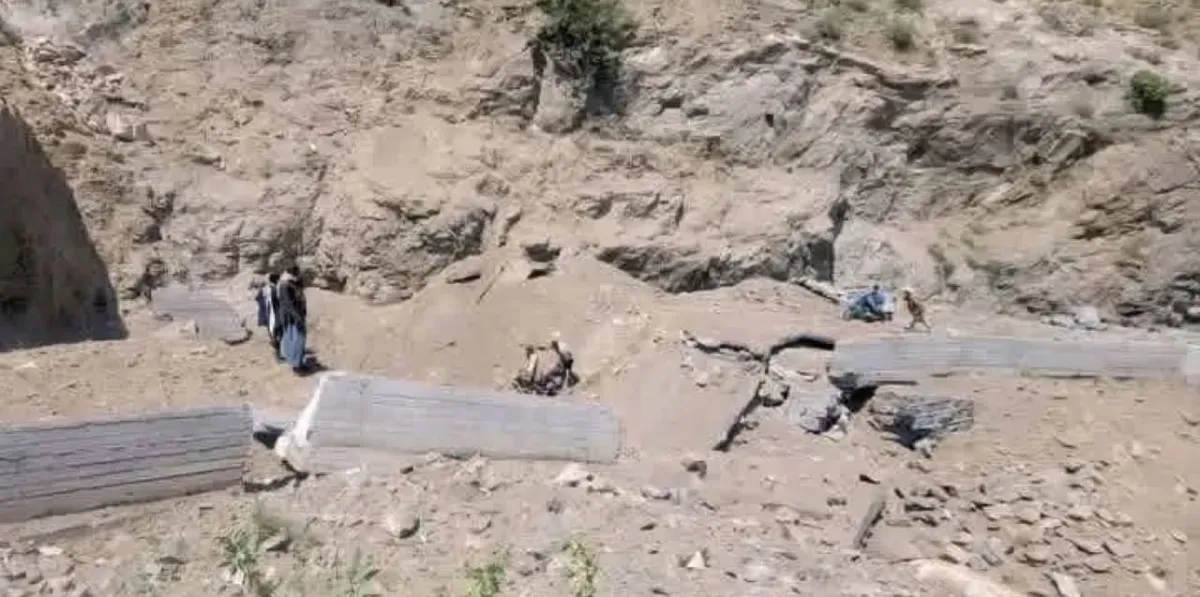
Human Rights Watch has warned of severe humanitarian repercussions from attacks targeting the Hujayra al-Abd road, the primary commercial artery supplying the besieged Yemeni city of Taiz. The organization stated that Houthi forces detonated explosives on the road on October 18, 2026, causing significant damage and jeopardizing the access of food, medicine, and fuel to hundreds of thousands of civilians.
The organization, in a report released Monday, indicated that deliberately destroying parts of the road, if intended to disrupt infrastructure essential for civilian survival, could constitute a violation of the laws of war and a war crime. HRW cautioned that the attack might result in disproportionate harm to civilians.
Nico Jaafarnia, Yemen and Bahrain researcher at Human Rights Watch, stated that targeting the last commercial route supplying Taiz exacerbates the risks for residents who are already experiencing severe shortages of food, water, medicine, and fuel. She warned that the continued closure of this route could threaten their lives and living conditions.
Taiz, Yemen's third-largest city, has been under siege by Houthi forces since 2015, when they cut off vital routes connecting it to the rest of the country, particularly Aden, the temporary capital of the internationally recognized Yemeni government. The city remains under government control, while control of the province's regions is divided between the two sides.
According to the report, Houthi forces detonated explosives around 4 AM on October 18 on the Hujayra al-Abd road in the Al-Turbah district, causing substantial damage to a culvert beneath the road. Sources interviewed by HRW indicated that Houthi forces controlled Al-Turbah, located approximately 75 kilometers south of Taiz, since October 4. The area had not seen ground fighting preceding the attack, including the night of the explosion, and there were no signs of an attempt by government forces or other armed groups to recapture it.
Human Rights Watch also documented another attack on October 1, approximately 45 kilometers southeast of Taiz. Sources told the organization that Houthi forces infiltrated the road following clashes with forces allied with the government, planted explosives in a culvert, detonated them, and withdrew. The organization verified photos showing damage to a culvert in the village of Al-Muharraqa, and satellite imagery confirmed damage extending across the entire width of the road.
International humanitarian law prohibits the use of starvation of civilians as a method of warfare and requires parties to the conflict to allow and facilitate the rapid and unimpeded passage of humanitarian relief. HRW emphasized that roads are civilian objects unless they meet the criteria for military objectives, and even then, an attack is prohibited if expected civilian harm is excessive compared to the anticipated concrete and direct military advantage.
Jaafarnia concluded by warning of the grave consequences of the fighting for hundreds of thousands of civilians in need of assistance, calling on all parties to the conflict to protect civilians who have endured years of war in Yemen.