
Yemen Becomes Key Arena for Iran's Regional Strategy Amidst Shifting Middle East Dynamics
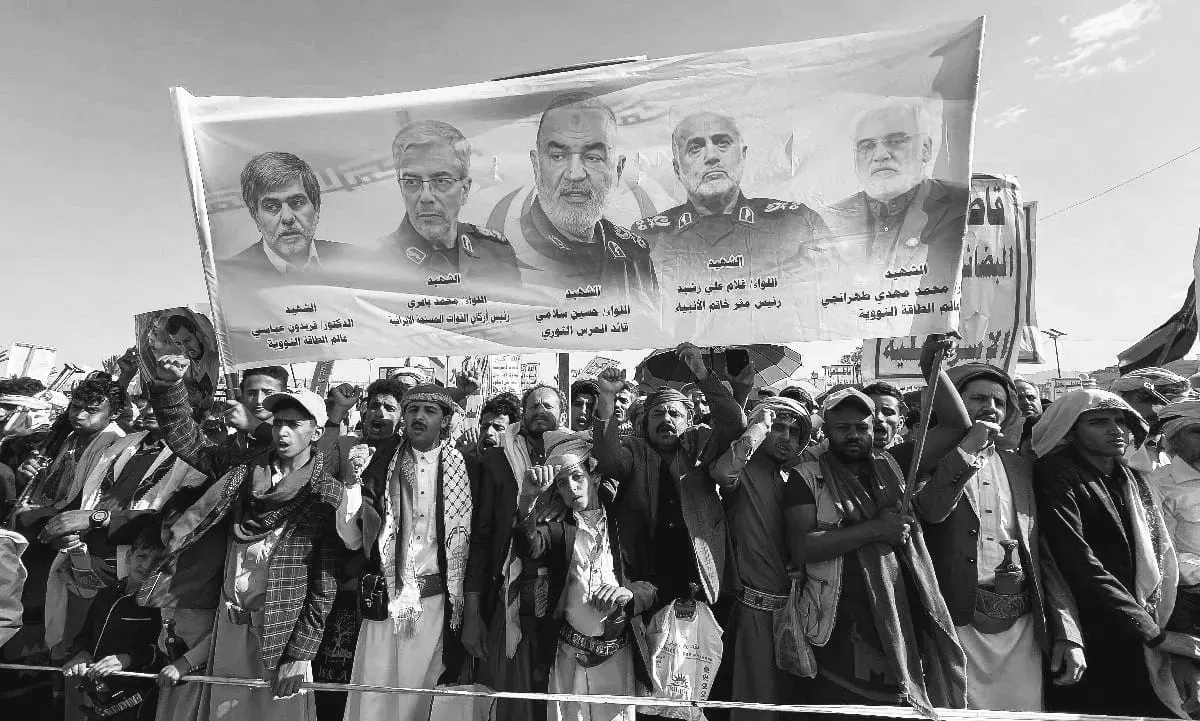
Amidst the rapidly evolving landscape of the Middle East, Yemen has emerged not merely as a local conflict zone but as a central strategic arena where Tehran has concentrated its most significant military and political investments. The recent launch of the "Dawn of Yemen" military operation by government forces, coupled with recent field and diplomatic maneuvers, reveals a decisive shift in Iranian military doctrine, positioning Yemen as its ultimate, most critical investment to compensate for setbacks and withdrawals across its regional proxy network.
The nature of Iranian support for the Houthi militia has evolved beyond clandestine maritime shipments to direct command and control. Yemeni government and intelligence sources confirm that the Iranian Revolutionary Guard Corps (IRGC), with assistance from Hezbollah experts, is now fully managing the operational planning for recent battles in the Lahj, Taiz, and West Coast sectors. This presence is no longer covert; the Yemeni Ministry of Interior recently reported identifying the operational locations of over 21 foreign military experts leading ground combat operations. Analysts suggest Tehran has shifted its advisory and logistical weight to Yemen to prevent the collapse of this vital axis overlooking international shipping lanes in the Bab al-Mandab strait, leveraging Yemen's complex terrain and proximity to the Horn of Africa to solidify its foothold.
The unprecedented military intensity of the Houthi operations is intrinsically linked to Iran's broader regional standing. As Tehran's traditional influence network in the Fertile Crescent has sustained major strategic blows, Yemen has become the compensatory theater. Through this arena, Iran seeks to demonstrate its continued capacity to threaten global energy security and trade routes, as well as to resume cross-border attacks using ballistic missiles and long-range drones targeting critical infrastructure and airports deep within neighboring countries. This Houthi escalation provides Tehran with potent political leverage on the international stage, signaling that any weakening of its influence in other regional capitals will be met with a comprehensive destabilization from the southern gateway of the Arabian Peninsula.
Tehran's current strategy in Yemen centers on controlling or directly influencing maritime shipping lanes. The ferocity of fighting in the Al-Maqaterah and Tor Al-Baha fronts north of Lahj, and the persistent Houthi efforts to advance towards the interim capital Aden, underscore the objective of fully encircling the Bab al-Mandab strait. For Tehran, experts note, the ability to threaten commercial vessels and oil tankers represents its most powerful bargaining chip against imposed economic and international pressures. The militia, under Iranian impetus, is striving for any field breakthrough that could reshape future negotiation terms and compel the international community to reverse its designation of the Houthis as a terrorist organization.
In response to this direct Iranian encroachment, the Yemeni legitimate government has prioritized confronting foreign intervention in its political and military agenda. The official Yemeni discourse now characterizes the conflict not merely as an internal coup but as a fundamental defensive battle against an Iranian expansionist project. In this context, Yemeni diplomacy has intensified its engagement in European capitals, particularly Paris and London, to rally international support for the "Dawn of Yemen" operation and to demand the drying up of Iranian funding and smuggling channels. Politicians indicate that the Yemeni government aims to translate the current field momentum into international political pressure, imposing stringent sanctions on IRGC smuggling networks, recognizing that the key to defeating the Houthi coup and restoring the state in Yemen lies in severing the military artery extending from Tehran to the mountains of Sanaa and the coasts of Hodeidah.