
UN: Only 5 of 27 hospitals partially functional in Taiz, women and children suffer
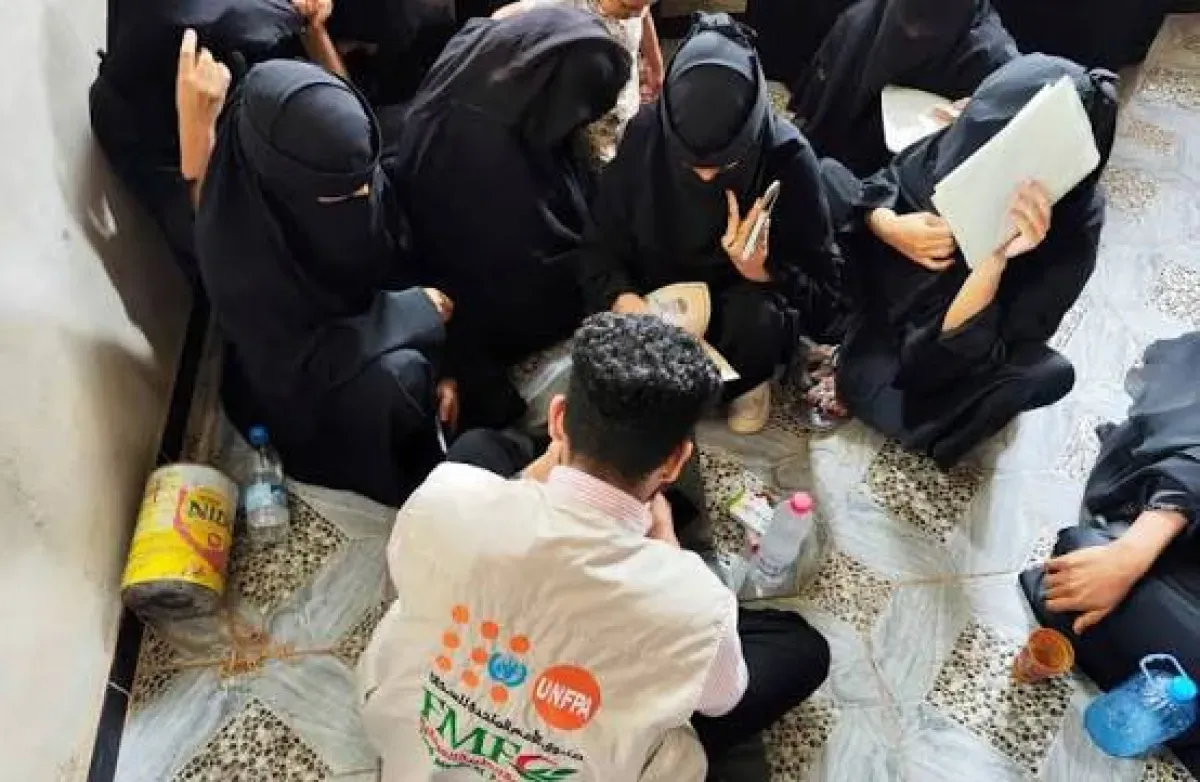
The United Nations Population Fund (UNFPA) has issued a stark warning about the deteriorating humanitarian and health conditions in Taiz and its surrounding areas, reporting that only five out of 27 hospitals designated for women and girls' healthcare are operating partially amidst an ongoing Houthi blockade and severe shortages of fuel, medicine, and food.
Francesco Galtieri, the UNFPA Representative in Yemen, stated that over 13,000 pregnant women in Taiz lack access to essential health services, with approximately 1,500 expected to give birth in the next two weeks. He cautioned about the dire consequences of the acute shortage of medical supplies and fuel on the lives of mothers and newborns.
Galtieri elaborated in a video briefing from Aden to journalists in Geneva that Al-Sweidi Maternity and Child Hospital, the city's primary maternal care facility, is in a critical state. The average daily births have dropped from ten to five, and the number of functional infant incubators has decreased from 40 to just 10 due to fuel scarcity. He noted that medical staff are working under immense pressure, and some personnel cannot reach health facilities. The hospital faces potential closure if restrictions on access and supplies are not lifted in the coming days.
He further highlighted that escalating conflict has tripled the number of internally displaced persons in the West Coast and Taiz, reaching nearly 300,000 individuals, half of whom are women and children. This is in addition to the 6.2 million women and girls in Yemen who already lacked essential protection services before the recent escalation.
The UN official pointed to the increasing risks faced by women and girls in displacement sites, including gender-based violence, exploitation, harassment, sexual violence, and forced child marriage, as well as a rise in abortions, unsafe deliveries, and malnutrition among pregnant women. He relayed accounts from midwives supported by UNFPA in Taiz who reported that pregnant women are receiving only one or two meals daily, sometimes consisting of just tea and bread or rice, amid the severe economic downturn and soaring prices of essential goods.
The UNFPA reiterated its call for de-escalation, the protection of civilians, and the assurance of safe, sustainable, and unimpeded access for humanitarian aid, medical supplies, and fuel, warning that the continuation of these restrictions threatens the collapse of the remaining life-saving health services in the city.