
Houthi-Controlled Markets Flooded with Adulterated Fuel, Causing Vehicle Failures
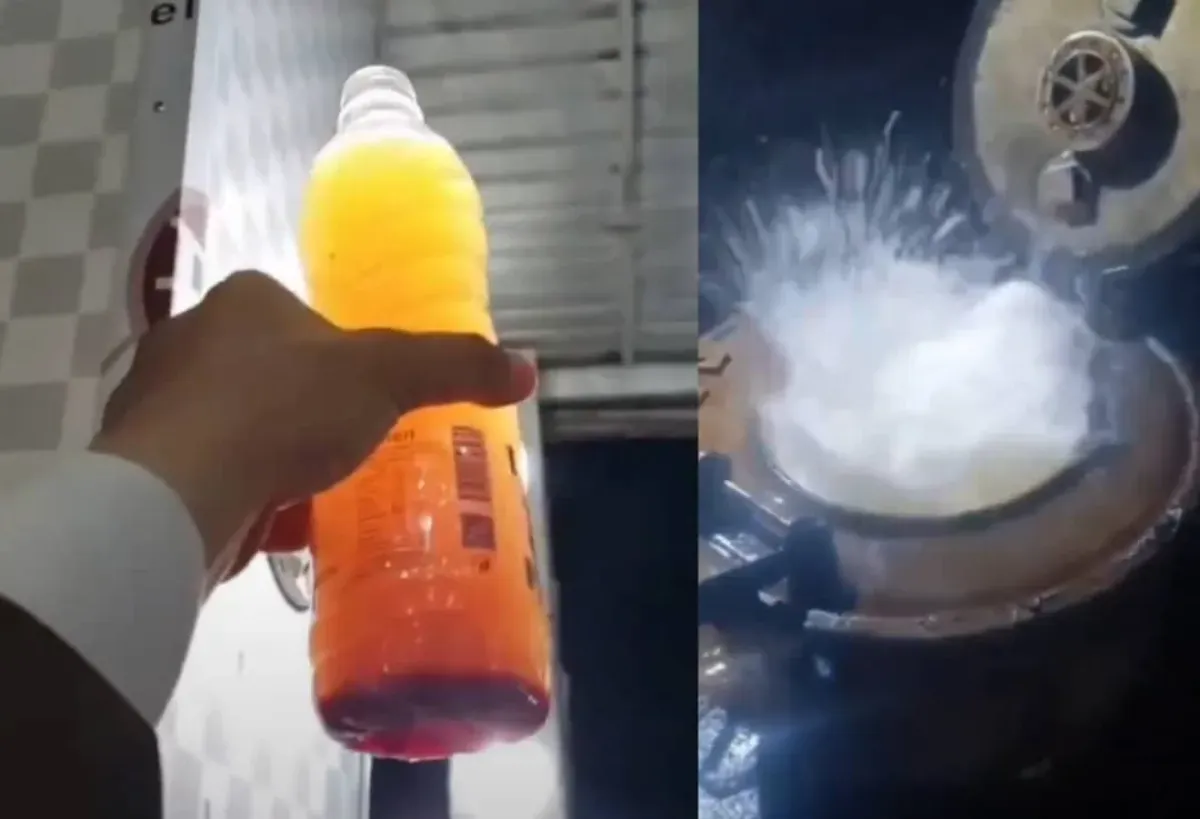
Adulterated gasoline has resurfaced as a significant issue in areas controlled by the Houthi militia, with recent video evidence revealing sediment and impurities in fuel sold at commercial stations. This coincides with reports of a new shipment of contaminated gasoline, mixed with oils and residues, entering the market.
A video circulating among activists and local residents shows a citizen filling a transparent bottle with gasoline from a commercial station. Large quantities of fine particles and impurities settled at the bottom of the bottle, raising concerns about the quality of fuel being distributed. Further information suggests that a new shipment of adulterated gasoline, containing oils, residues, and other impurities, has entered the market in Houthi-controlled territories. This reintroduces fears of non-compliant fuel being supplied to stations, potentially causing technical damage to vehicles, especially given the recurring nature of similar complaints over recent years without effective regulatory action.
The citizen featured in the video, who stated he was traveling and forced to refuel, reported the issue to the oil company via their complaint hotline. However, the response was limited to requesting his personal identification details and a promise of compensation. He expressed frustration with the complaint handling process, questioning how his family, who were with him, would be transported and how his vehicle, damaged by the adulterated fuel, would be repaired while he awaited promised compensation.
These incidents occur as the company has increased the price of a 20-liter gasoline can to 11,400 old Yemeni Riyals, exceeding 80 Saudi Riyals. Consumers report no discernible improvement in fuel quality or safety guarantees to justify this price hike. The issue of adulterated gasoline is not new in Houthi-controlled areas, with numerous reports over past years of government and commercial stations receiving fuel shipments containing unfamiliar impurities and substances, which drivers claim have caused varying degrees of vehicle damage.
Drivers have informed news agencies that the oil company consistently offers justifications and misrepresentations in response to complaints, without implementing effective oversight or providing compensation to affected vehicle owners, perpetuating the problem. The risks of contaminated fuel extend beyond poor quality; residues, water, solid impurities, and oils not meant for fuel blending can lead to clogged fuel filters, damaged fuel pumps and injectors, engine performance issues, and increased maintenance costs. The severity of damage can escalate depending on the nature and concentration of contaminants, as well as the vehicle type and its fuel system.
In a related development, activists shared a second video showing a gasoline tanker where the fuel appeared volatile upon opening a top filling port. The footage sparked safety concerns, as the fuel seemed to be bubbling intensely, leading the individual who opened the port to express fears of a potential explosion, particularly given the unusual appearance. These complaints coincide with the continued arrival of oil derivative shipments in Houthi-controlled areas, with persistent reports indicating Iran supplies the militia with oil and gas as part of its economic support. The militia benefits from selling these oil derivatives in the local market, generating financial revenue used to fund its military and sectarian activities, while consumers face high prices and the risks associated with low-quality fuel. These recurring events raise questions about the oil company's responsibility for inspecting shipments before distribution, the mechanisms for station oversight, and their commitment to consumer protection and compensating those affected, amidst ongoing complaints and the apparent absence of a publicly announced, fundamental resolution to the problem.