
International Pressure Mounts on Houthis Amid Escalating Abuses
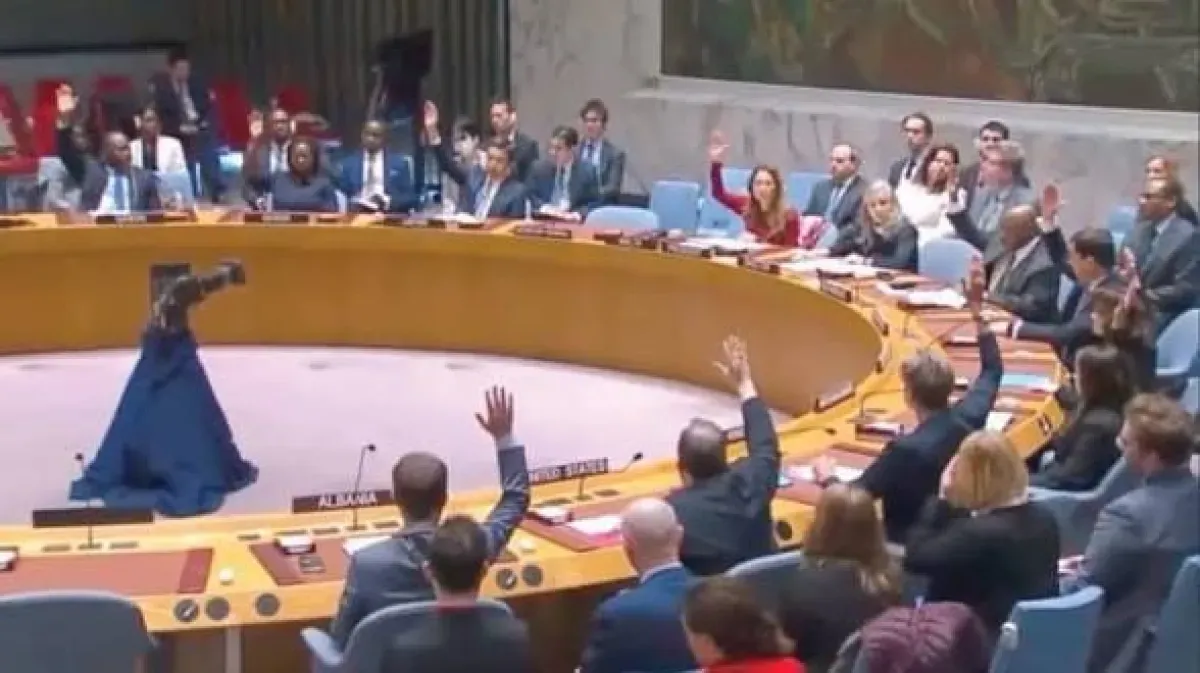
The international community, led by the United States and the UN Security Council, faces mounting pressure to move beyond condemnations and implement concrete measures against the Houthi militia, which has intensified its use of siege, abduction, and maritime and financial threats as tools of power and extortion in Yemen. With the ongoing siege of Taiz, the detention of UN and humanitarian workers, and threats to navigation in the Red Sea and Bab al-Mandab Strait, a collective will to activate existing legal, financial, military, and diplomatic tools is urgently needed to achieve tangible results.
The Houthi militia has reimposed a siege on the city of Taiz, severing the main road connecting it to Aden and disrupting vital supplies for over 800,000 people, including approximately 200,000 women and children reliant on international aid. The United Nations has warned of the severe danger this poses to civilians, while the World Food Programme reports that essential food and aid can no longer reach the city easily. The situation is exacerbated by attacks on humanitarian infrastructure, including gunfire on ambulances, and a threat to healthcare services due to fuel shortages impacting critical units like dialysis and intensive care.
Dozens of UN staff, humanitarian workers, and civil society members remain in Houthi detention, with UN figures indicating around 70 UN personnel currently held, alongside former staff and numerous aid workers and civilians. The death of a UN Human Rights Office employee during detention underscores the gravity of these abductions, necessitating an independent investigation and accountability. These actions are seen as a direct assault on humanitarian protection and the UN's operational capacity, prompting calls for immediate, unconditional release, documentation of violations, asset freezes, travel bans, and international criminal investigations.
The UN possesses significant legal and political instruments, including Security Council Resolution 2624 (2022), which designates the Houthis as a terrorist group and subjects them to sanctions. These measures, renewed by Resolution 2801 (2025), include asset freezes and travel bans, and are overseen by an expert panel. Experts advocate for more robust implementation, including expanded sanctions against Houthi leaders and their financial networks, accountability for those involved in the Taiz siege and abductions, and a linkage of humanitarian negotiations to clear guarantees such as opening humanitarian corridors and releasing detainees.
The US designation of the Houthis as a Foreign Terrorist Organization grants Washington enhanced powers to freeze assets and combat their financing. However, experts stress that this designation must be coupled with stringent financial, commercial, and maritime enforcement. The US State Department has taken steps to target oil, finance, and shipping networks supporting the Houthis, imposing sanctions on vessels and intermediaries facilitating illicit trade. A comprehensive strategy should prioritize financial pressure, targeting front companies, financial intermediaries, and smuggling routes, and should involve coordinated international sanctions among the US, EU, UK, and Arab nations.
Attacks by the Houthis on commercial vessels in the Red Sea and Bab al-Mandab pose a direct threat to international economic security. Military experts emphasize that the maritime response must extend beyond deterrence to include enhanced joint patrols, protection of shipping lanes, interception of illicit arms, and prosecution of entities facilitating maritime smuggling. The regional dimension, particularly Saudi Arabia's role, is crucial, necessitating intelligence sharing, coordinated sanctions, border protection, and unified messaging against open-ended negotiations, the use of humanitarian aid as leverage, and impunity for those committing abuses.
Ultimately, the challenge lies not in the absence of tools but in the disconnect between condemnation and execution. A unified policy with measurable objectives is required, demanding the lifting of the Taiz siege, the release of all detainees, cessation of maritime attacks, protection of civilians and aid workers, and the opening of safe aid corridors. Failure to comply should result in sanctions transitioning from symbolic measures to cumulative pressure encompassing finance, travel, trade, shipping, and criminal accountability. Continued inaction risks empowering the Houthis' extortionist model and undermines the credibility of the international community's commitment to justice and security.