
Taiz Governor Highlights Critical Aid Gap: 238,000 Families Need Support, Only 40,000 Reached
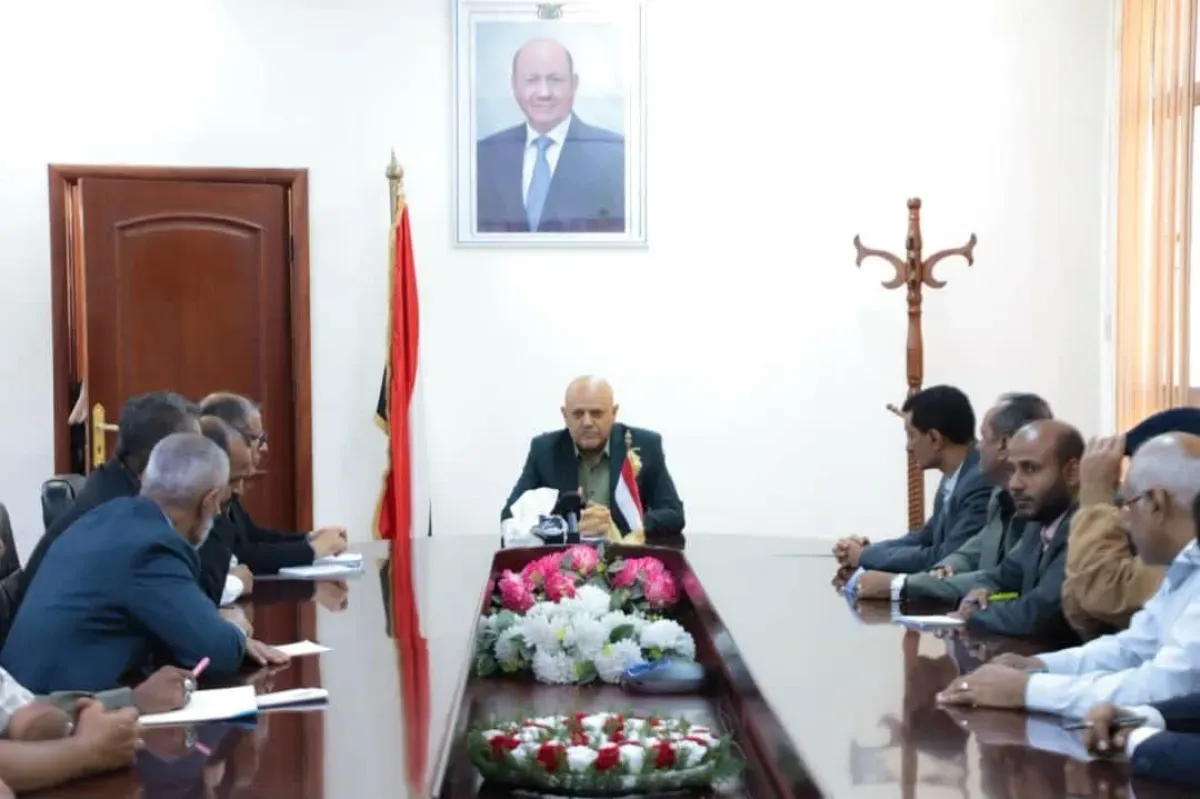
Taiz Governor Nabil Shamsan revealed that approximately 238,095 families in the city of Taiz, Saber Al-Mowas, and Mashra'a and Hudan districts, including displaced families, require humanitarian assistance. However, only 40,000 families received aid during October and November, underscoring a significant disparity between humanitarian needs and the scale of interventions provided.
During a meeting of the committee for coordinating humanitarian and relief interventions by international and local organizations on Wednesday, Shamsan emphasized the necessity of enhancing transparency and community oversight in the coordination and distribution of aid. He stressed ensuring that aid reaches the most vulnerable families based on clear and equitable criteria.
The governor explained that the widening gap in needs is occurring amidst the rapid deterioration of humanitarian conditions resulting from the ongoing conflict and siege, coupled with increasing rates of poverty and need. He noted that the local authority has submitted a letter to the Prime Minister to address donors and UN agencies regarding a review of targeting criteria. This review aims to align the criteria with the current scale of needs and to consider all families residing in Taiz city and Saber districts as affected and in need.
Shamsan underscored the importance of unifying efforts and strengthening coordination, oversight, and accountability mechanisms. This is crucial to ensure the efficiency of humanitarian response and to limit duplication and irregularities in aid distribution.
He further stressed the need to establish a system for transparency and accountability in coordination with district directors and community oversight committees. This system should include clear and accessible mechanisms for receiving, verifying, and following up on citizen complaints, alongside adopting objective and public criteria for selecting beneficiaries that consider the levels of need and the living conditions of families.