
Aden Central Bank Halts Exchange Apps, Sparking Debate
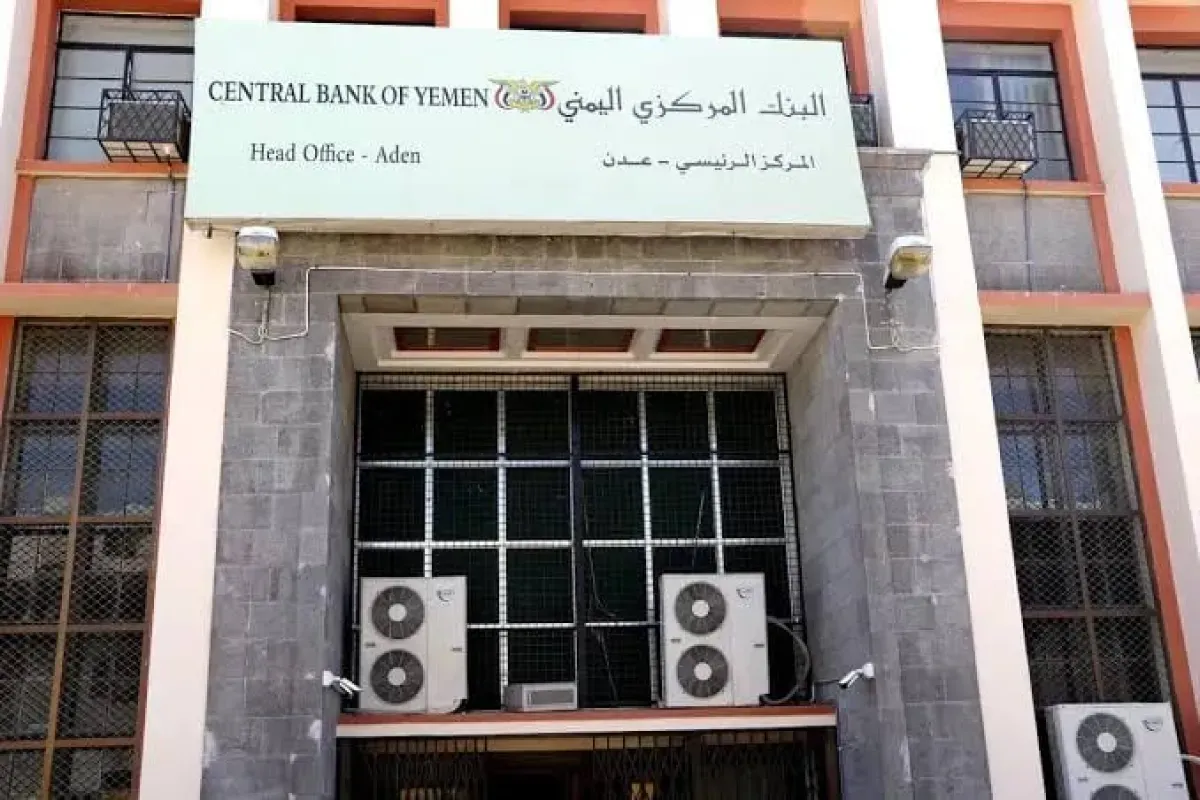
The Yemeni Central Bank in Aden has issued a directive to immediately ban all digital applications and platforms operated by exchange companies and money transfer agents, triggering widespread controversy and division within economic and public circles in liberated governorates. While monetary authorities view this as a necessary regulatory measure to control the banking market and curb currency speculation, citizens and merchants consider it a setback for digital transformation, forcing a return to queues and liquidity crises.
The Banking Supervision Department at the Central Bank of Aden issued a decisive circular prohibiting individual and solidarity exchange companies and money transfer agents from operating or managing any public-facing digital applications for remittance, exchange, or electronic payment services, whether directly or through third parties. The bank mandated the immediate closure of these platforms, granting them a fifteen-day period to submit official declarations confirming their permanent cessation, with the threat of severe penalties, including license revocation and suspension of commercial activity.
According to economic observers and banking sources, the Central Bank's decision is based on several regulatory drivers. Chief among these is limiting the expansion of exchange companies beyond their legal scope, as these applications have effectively become "parallel banks" receiving deposits and opening current accounts without legal cover or mandatory reserves. The decision also aims to cut off electronic currency speculation, which occurred in closed digital rooms away from the bank's real-time oversight, and to enhance compliance with anti-money laundering and counter-terrorism financing standards.
Conversely, the decision has been met with considerable discontent and dismay across social media platforms and local markets. Users believe that exchange applications and electronic wallets served as a practical lifeline amidst current living conditions, providing a fast and secure method for sending and receiving remittances, paying service bills, and completing daily purchases with a single click, thereby avoiding the hassle of travel and crowded queues at exchange offices.
Citizens and merchants also highlighted the issue of damaged and torn banknotes and the scarcity of liquidity in certain denominations, emphasizing that electronic payments via exchange apps significantly reduced interaction with worn-out paper currency and facilitated trade in small businesses. Critics of the decision point out that the abrupt suspension of these applications, without the provision of equally accessible and widespread banking alternatives, places citizens in a genuine predicament, particularly in remote districts and areas lacking traditional commercial bank branches.
Given the Central Bank's determination to proceed with its decision, attention is now focused on available solutions and alternatives to prevent a paralysis in daily financial transactions. Regulatory trends indicate that the ban targets exchange facilities not authorized to provide banking services, while applications and electronic wallets belonging to officially licensed commercial and Islamic banks remain operational and under the direct supervision of the Central Bank.
Banking experts stress the necessity for this regulatory decision to be accompanied by an urgent plan to facilitate account opening procedures at licensed banks and to expand the network of digital payment agents affiliated with banks across various governorates and districts to compensate for the vacuum left by the closure of exchange applications. Specialists also called on the Central Bank to establish a clear and accessible mechanism to ensure citizens can smoothly and safely withdraw their remaining balances from exchange company applications, preventing any financial confusion or exploitation of modest savings during the liquidation and closure period.